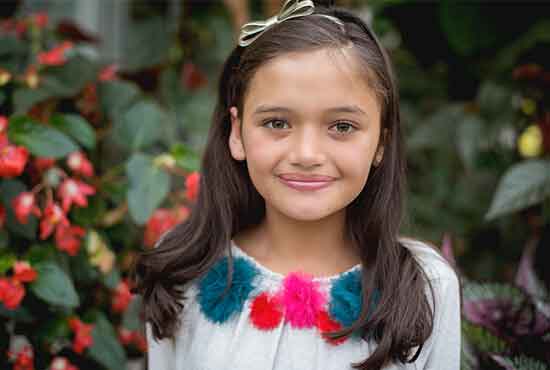
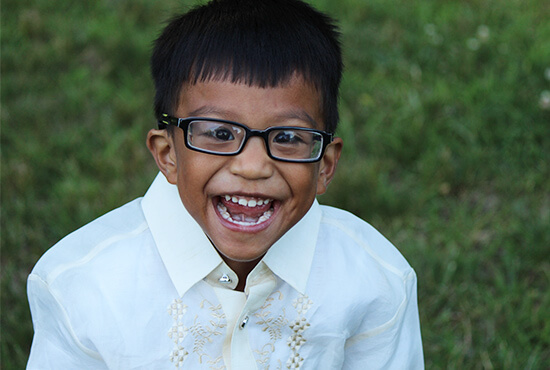
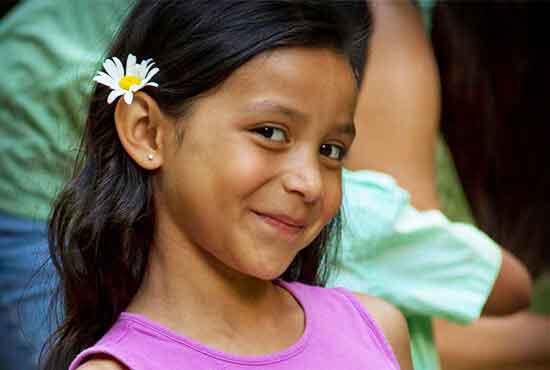
AGCI is an agency dedicated to intervening for the 8 million orphans living in institutions. We believe that every child deserves to have hope and be loved—and we’re following God’s call to create real, lasting change for His children! We’re committed to changing the system by elevating the standard of adoption and orphan care and creating more pathways to family. When you adopt a child, you are forever changing his or her life in the best way possible.
Frequently Asked Questions about International Adoption
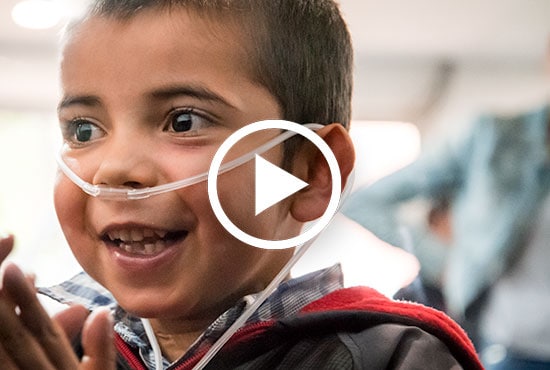
Our team is ready to help your family through the adoption process. To learn more about international adoption through All God’s Children International, please watch our Adoption Overview video.
“Whoever receives one such child in my name receives me.” —Matthew 18:5
The adoption process is not easy, but it is more than worth it. All God’s Children International is a resource to adoptive parents looking to adopt internationally. Our agency bridges the gap between adoptive families and their future children.
You have a passion for orphans, and so do we. All God’s Children is an adoption agency that brings our experience, integrity, and compassion to help adoptive parents find their son or daughter. The process of adoption can be daunting. We can help you meet the requirements set by governing bodies and make the adoption process move as smoothly as possible.
We serve children all over the globe waiting for families. Each country has unique requirements for adoption. All God’s Children helps each family adopt from the country that they feel is right, navigating the complexities of international adoption.
How much does adoption cost?
In general, our adoption programs range in cost from approximately $25,000 to $45,000. It’s important to remember that grants are available and tax credits may help. At AGCI, we never want finances to be an obstacle. We have payment plans and an adoption team who can walk through this journey with you.
Never let the fear of finances prevent you from following your calling to adopt—we have countless stories of how God provides for adoptive families! Full fee schedules are available for each of AGCI’s adoption programs. You can learn more about how to finance your adoption here.
How long does the adoption process take?
Timelines vary from country to country and are also dependent on a family’s openness to factors such as age, special needs, and gender. Following registration of a family’s dossier, timelines can range from just a few months to several (or 5+) years.
Do all children have special needs?
While there are children who are considered “healthy” and do not have a diagnosed special need, all children who are waiting to be adopted have experienced some level of trauma by the sheer fact that they are not being raised by their biological family. Our in-depth adoption training prepares families for the adoption of children who have experienced trauma or are living with a special need. We will help define “special needs,” share more information on what that looks like for a child and guide you based on what you feel is possible for your family.
How long do we travel?
In-country travel requirements are dependent on the country program. Travel can vary between 1-2 trips and last from 5 days to 14+ weeks.
Is my family eligible to adopt?
Eligibility varies greatly from country to country. The simplest way to learn more about our country programs is to fill out our free pre-app and talk to one of our Adoption Advisors. Our expert Adoption Advisors will help determine which adoption option is right for you.
What are the ages of children in need of adoption?
The ages of children in need of adoption vary and range from infants to 17 years old. Currently, the greatest need is to have families who are willing to adopt children age 4 and older, who present mild to moderate physical and emotional needs. These kids need a committed, available, loving, and caring family.
What countries can we adopt from?
AGCI has adoption programs in 10+ countries! We currently place children from Bulgaria, Burundi, China, Colombia, Costa Rica, Ecuador, Ghana, Haiti, the Philippines, and South Africa with loving forever families. We work with adoptive families in all 50 states.
How do we get started with our adoption?
The best way to get started is to fill out our free pre-app! We’ll then be in touch with you to tell you more about the children in each country and discuss the country programs that you may be eligible for.
Why should we choose AGCI as our adoption agency?
All God’s Children International is a Christian adoption agency committed to finding families for children, not children for families. In addition to our adoption programs, we’re dedicated to intervening in the orphan crisis so that children and families have the support they need to thrive. You can learn more about how we serve children around the world here.
COMMITTED TO ETHICAL ADOPTIONS
We’re passionate about finding families for children, not children for families. We believe in going above and beyond to ensure that the ethical adoption practices that we stand behind are in place and maintained in the countries and orphanages where we serve. AGCI is committed to putting each child’s well-being above all else in determining if international adoption is the best choice for each individual waiting child we serve. Adoption is about uniting a family, which is why our agency seeks to best serve both the children waiting to be adopted and the families hoping to adopt a child.
WE’RE HAGUE-ACCREDITED
AGCI is one of just a handful of Hague-accredited international adoption agencies. The Hague Convention has been ratified by 75 countries and was created as a way to establish protections for children, birth parents, and adoptive parents. Our commitment to ethical adoption practices means we only work in countries which adhere to the Hague Convention and that have a clear process for declaring children orphans and in need of an adoptive family.
COMMITTED TO ETHICAL ADOPTIONS
We’re passionate about finding families for children, not children for families. We believe in going above and beyond to ensure that the ethical adoption practices that we stand behind are in place and maintained in the countries and orphanages where we serve. AGCI is committed to putting each child’s well-being above all else in determining if international adoption is the best choice for each individual waiting child we serve. Adoption is about uniting a family, which is why our agency seeks to best serve both the children waiting to be adopted and the families hoping to adopt a child.
WE’RE HAGUE-ACCREDITED
AGCI is one of just a handful of Hague-accredited international adoption agencies. The Hague Convention has been ratified by 75 countries and was created as a way to establish protections for children, birth parents, and adoptive parents. Our commitment to ethical adoption practices means we only work in countries which adhere to the Hague Convention and that have a clear process for declaring children orphans and in need of an adoptive family.